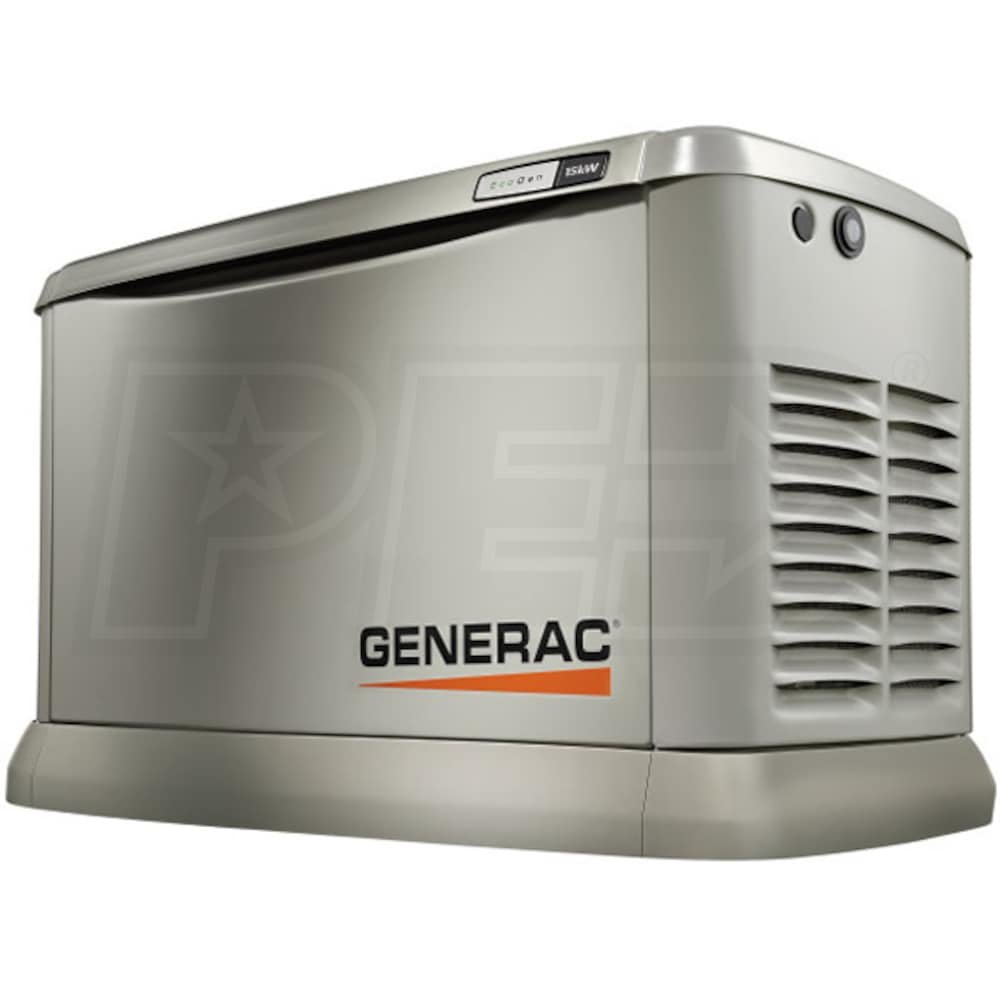
Imagine a world where the power grid falters, but your lights stay on, your business keeps running, and critical services continue uninterrupted. That's not just a pipe dream; it's the reality made possible by the incredible breadth of Generator Usage & Applications. These devices, which transform mechanical energy into electrical power, are the unsung heroes that keep our modern lives from grinding to a halt, whether during a storm or deep in the wilderness.
From the hum of an emergency backup system at a hospital to the quiet thrum of a camping generator, the role these machines play is indispensable. They offer a lifeline, a convenience, and often, a critical necessity, ensuring continuity and comfort across every facet of our lives.
At a Glance: Your Guide to Generators
- Generators are indispensable power sources for when the main grid is unavailable or unreliable.
- They serve critical roles in emergency backup, remote operations, special events, and niche applications like marine power.
- Diverse types exist, including diesel, gasoline, solar, wind, and more, each suited to specific needs and environments.
- Choosing the right generator depends on your specific application, budget, fuel access, and environmental priorities.
- Proper selection and safe operation are key to maximizing your generator's benefits.
The Lifeline When the Lights Go Out: Emergency & Backup Power
Perhaps the most recognized role of generators is their ability to step in when the lights go out. In our increasingly interconnected world, even a momentary power disruption can have cascading effects, but generators stand ready to prevent that.
Prepared for Anything: Disaster & Outage Resilience
When severe weather strikes—be it cyclones, floods, or heavy ice storms—the grid can become fragile or completely fail. Here, generators aren't just a convenience; they're essential for disaster preparedness. They maintain power for refrigerators (saving food), heating or cooling systems (preventing hypothermia or heatstroke), and critical medical equipment at home. For many, a reliable generator means the difference between coping and suffering during an emergency.
Businesses, too, depend heavily on standby generators. Think of commercial enterprises, data centers, or retail stores; a power outage can mean massive financial losses, spoiled inventory, or lost productivity. Hospitals, perhaps the most critical users, rely on these systems to power life support machines, operating rooms, and essential diagnostics. Without uninterrupted power, the ability to save lives could be compromised. For sectors where even a momentary flicker can be catastrophic, Uninterruptible Power Supply (UPS) systems work in tandem with generators to bridge the gap, preventing even the briefest of power interruptions for truly critical operations.
Powering the Unplugged: Outdoor & Remote Operations
Beyond emergencies, generators unlock possibilities in places where grid power simply doesn't reach. They are the workhorses of the remote world, extending our capabilities far from the nearest outlet.
Adventures, Builds, and Sustenance in the Wild
For the avid camper or RV enthusiast, a generator can transform a rustic outing into a comfortable retreat. Imagine powering your fry pan for breakfast, keeping lights on after dark, or even catching a movie on a portable TV. For these needs, quiet and efficient inverter generators are often preferred, ensuring your comfort doesn't disturb nature's tranquility or your fellow campers.
On construction sites, generators are non-negotiable. They power everything from heavy machinery and power tools like table saws to essential ventilation systems. Specialized welding generators combine power generation with welding capabilities, making them invaluable for on-site fabrication and repairs. Similarly, mining operations in remote areas depend on robust generators to run massive shovels, drills, excavators, and, crucially, to provide tunnel lighting, ensuring safety and productivity deep underground.
Agriculture and livestock operations also lean heavily on generators. They provide backup or even primary power for crucial systems like heaters in barns, air pumps for aquaculture, and irrigation systems for crops, protecting investments and ensuring animal welfare. When road maintenance crews are tackling repairs at night, trailer-mounted light towers, powered by integrated generators, illuminate the workspace, making it safe and efficient.
From Festivities to Fantasies: Events & Decorations
Generators are the invisible force behind some of our most cherished celebrations and spectacles, bringing vibrant energy to temporary setups.
Lighting Up Life's Big Moments
Ever wonder how sprawling shows and bustling carnivals keep their rides spinning, their food equipment sizzling, and their stages illuminated and booming with sound, often in open fields? Generators are the answer. They provide the massive power required for these temporary cities of entertainment.
Closer to home, generators facilitate countless family events, weddings, and barbeques. They power DJ setups to get the dance floor moving, illuminate event spaces, and keep food warm and ready for guests. And when the holiday season arrives, generators take on a festive role, powering elaborate Christmas light displays and animated figures that bring joy to neighborhoods, turning yards into dazzling spectacles.
Beyond the Grid: Specialized & Niche Applications
The versatility of generators extends to highly specific contexts, where standard power solutions simply won't do.
Navigating Waters and Scoring Points
On the open water, marine generators provide onboard power for everything from navigation systems and galley appliances to air conditioning. Designed for quiet operation, low vibration, and easy maintenance, they are crucial for comfort and safety during extended voyages.
Sporting events, whether in a sprawling stadium or a local park, frequently rely on generators. They power scoreboards, provide evening game illumination when daylight fades, and drive the sound systems that keep fans engaged and announcements clear. The roar of the crowd might be organic, but the power behind the event is often mechanically generated.
Decoding Generator Types: Finding Your Perfect Match
Just as you wouldn't use a screwdriver for every carpentry task, selecting the right generator means understanding the unique strengths of each type.
The Workhorses: Diesel & Gasoline Generators
When it comes to raw power and reliability, diesel generators are often at the forefront. They operate by burning diesel fuel, known for its efficiency and stability. These units are incredibly durable, providing high torque and robust performance for prolonged, heavy-load operations. This makes them ideal for critical applications like hospitals, large industries, and remote locations needing either backup or continuous power. Their longevity and lower operating costs over time, despite a higher initial investment, make them a favorite for demanding roles.
On the other hand, gasoline generators are the go-to for many residential and recreational users. They are typically smaller, lighter, and highly portable, offering a lower initial cost. While less fuel-efficient than diesel and producing more emissions, their convenience and accessibility make them perfect for residential backup during outages or for powering amenities during a camping trip.
Embracing Green Power: Hydro, Wind, & Solar Generators
For those prioritizing sustainability and long-term environmental benefits, renewable energy generators are gaining significant traction.
Hydroelectric generators harness the immense kinetic energy of flowing water, converting it into electricity using turbines. Sustainable and clean, they produce large, continuous amounts of power without fuel costs, playing a major role in supplying stable power to regional grids from dams and other water sources.
Wind turbines capture wind energy to drive a generator. These are a visible sign of renewable energy installations, aiming to reduce carbon footprints. They range from small residential models, which can supplement home power, to massive turbines found in wind farms. Their output, however, fluctuates with wind availability, making them suitable for grid integration or in conjunction with energy storage.
Solar generators utilize photovoltaic panels to convert sunlight directly into electricity (DC). Typically paired with batteries for energy storage and inverters to convert DC to AC, they offer silent, zero-emission power. They are excellent for off-grid applications, emergency scenarios, and small-scale backup, though their output is dependent on sunlight availability.
Industrial Giants: Steam & Gas Turbine Generators
At the largest scale, power plants and heavy industries rely on powerful turbine-based systems. Steam turbines operate by expanding high-pressure steam, often generated by burning fossil fuels or through nuclear reactions. Gas turbines combust fuel directly (like natural gas or aviation fuel). Both are common in large-scale power plants and industrial applications, offering high efficiency and producing very large amounts of electricity, often integrated with combined cycle technology for even greater energy recovery.
Compact & Clean: Portable & Inverter Generators
When mobility and power quality are paramount, specific forms of generators shine. Portable generators are designed for easy transport, often running on gasoline or propane. They're a popular choice for emergency residential power or recreational activities, offering a good balance of power and convenience.
For electronics that demand a steady diet of clean, stable power, inverter generators are the answer. They convert raw AC power into DC, then "invert" it back into clean AC power, minimizing harmonic distortion. This makes them ideal for sensitive electronics like laptops, smartphones, and medical devices, preventing damage or malfunction. If you're looking for a reliable portable option, you might want to Explore Predator Generator 2000 as a well-regarded choice known for its portability and power output suitable for a range of uses.
Efficient Movers: Permanent Magnet Generators
Permanent magnet generators use, as their name suggests, permanent magnets to generate current, replacing traditional electromagnets that require a separate excitation current. This design often leads to increased efficiency and reduced maintenance, making them increasingly popular in applications like wind turbines and some hydroelectric systems.
How to Choose Your Power Partner: Key Selection Criteria
With such a diverse array of options, picking the right generator can feel daunting. But by focusing on a few key criteria, you can narrow down your choices to find the perfect fit.
Matching Power to Purpose
Your first consideration should always be application requirements. What exactly do you need to power? List all the devices you intend to run and their wattage. Summing these up will give you a baseline for the generator's required output (surge watts and running watts). Are you powering critical medical equipment, a few lights and a fridge, heavy-duty construction tools, or a sensitive sound system? Each scenario demands a different level of power and type of output.
Next, consider your budget. This isn't just the initial purchase price, but also the long-term running costs, including fuel consumption, maintenance, and potential installation costs for larger standby units. While gasoline generators often have a lower upfront cost, diesel units might be more fuel-efficient over extended periods of heavy use.
Fuel availability is another critical factor. Do you have easy access to gasoline, diesel, propane, or natural gas? Is sunlight reliable in your area for solar, or is wind consistent for a turbine? For remote locations, or during widespread outages, fuel access can become a significant challenge.
Finally, don't overlook environmental considerations. Are noise levels a concern for your neighbors or your camping experience? Do you want to minimize your carbon footprint, making solar, wind, or hydroelectric options more appealing? Diesel and gasoline generators, while convenient, do produce emissions and require proper ventilation. Your choice should align with both your immediate needs and your broader values.
Ultimately, diesel or gasoline generators remain common for backup power due to their reliability and convenience for many residential and commercial needs. However, for sustainability goals or truly off-grid independence, solar, wind, and hydro generators offer compelling alternatives. Portable and inverter generators serve niche needs such as outdoor activities and protecting your sensitive electronics, proving that there's a specific generator for virtually every power challenge.
Common Questions & Powering Pitfalls
Even with the right generator, knowing how to use it effectively and safely is paramount. Let's tackle some frequently asked questions and common mistakes.
Can I Run Sensitive Electronics with Any Generator?
Not every generator is created equal for delicate devices. Standard generators can produce "dirty power" with voltage fluctuations that can harm sensitive electronics like laptops, smartphones, and smart TVs. For these items, an inverter generator is highly recommended. It produces "clean power" with a stable sine wave, ensuring your gadgets are safe. Always check your generator's specifications for Total Harmonic Distortion (THD) if you plan to power electronics.
How Much Power Do I Really Need?
This is a classic question. The best way to determine your power needs is to list every appliance or device you plan to run simultaneously. Find their starting (surge) wattage and running wattage. Starting wattage is usually higher, needed for a brief moment when an appliance turns on (especially motors). Add up the running wattage of all devices, then factor in the highest starting wattage of any single device to ensure your generator can handle the initial surge. It's always better to slightly overestimate than underestimate.
Are Generators Noisy?
Noise levels vary significantly by generator type and size. Larger, conventional generators, especially older diesel or gasoline models, can be quite loud. Inverter generators are generally much quieter because their engines can throttle down when less power is needed, rather than running at full speed constantly. Marine generators are also specifically designed for quiet operation. Always check the decibel (dB) rating of a generator if noise is a concern, especially for recreational use or residential backup.
What Are the Biggest Safety Concerns with Generators?
Generator safety cannot be overstated. The two primary dangers are carbon monoxide (CO) poisoning and electrical hazards.
- Carbon Monoxide: Generators produce CO, an odorless, colorless gas that can be fatal. NEVER run a generator indoors, in a garage, or near windows/vents where exhaust can enter your home. Always operate them outdoors, at a safe distance (at least 20 feet) from your home, with the exhaust directed away. Install CO detectors in your home.
- Electrical Hazards: Generators must be properly grounded to prevent electrocution. If you're connecting a generator directly to your home's electrical system, it MUST be done by a qualified electrician using a transfer switch. This prevents backfeeding electricity into utility lines, which can injure or kill utility workers, and prevents damage to your appliances when grid power returns. Never plug a generator directly into a wall outlet ("backfeeding").
- Fuel Storage: Store fuel safely in appropriate containers, away from living areas and heat sources. Never refuel a hot generator.
Powering Forward: Making Smart Generator Choices
In a world increasingly reliant on electricity, generators are more than just emergency tools; they are enablers of modern life, extending our reach, ensuring our safety, and enhancing our comfort across countless scenarios. From the critical operations of a hospital to the festive glow of holiday lights, the applications are as diverse as our needs.
Understanding the broad spectrum of Generator Usage & Applications empowers you to make informed decisions, whether you're safeguarding your home against outages, outfitting a remote worksite, or planning an unforgettable event. By carefully considering your specific requirements, budgeting wisely, assessing fuel availability, and prioritizing safety, you can select a generator that truly acts as your reliable power partner, keeping your world running smoothly, no matter what challenges arise.