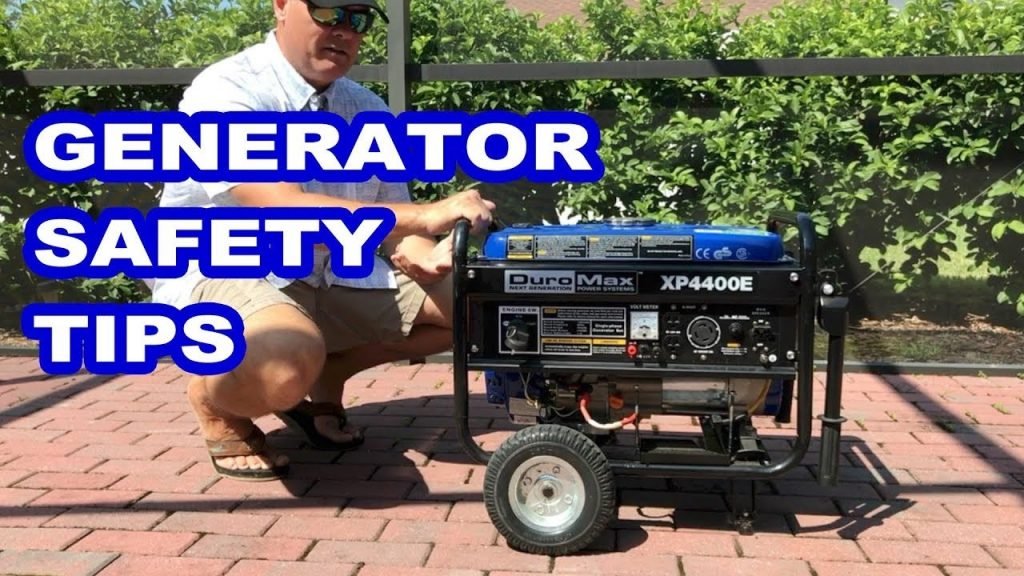
A generator can be a lifeline, delivering crucial power during outages or enabling work in remote locations. Yet, this incredible utility comes with profound risks. Ignoring established Generator Safety & Regulations isn't just about avoiding fines; it's about protecting lives, preventing devastating fires, and safeguarding property. From the silent threat of carbon monoxide to the hidden dangers of improper electrical connections, understanding and adhering to these guidelines is non-negotiable for every owner and operator.
At a Glance: Essential Generator Safety Takeaways
- Never indoors: Operate generators exclusively outdoors, far from windows and doors, to prevent carbon monoxide poisoning.
- Ground it right: Ensure proper electrical grounding, especially if connecting to a building's electrical system, always using a qualified electrician for transfer switch installation.
- No back-feeding: Connecting directly to a home's main panel without an approved transfer switch is lethal and illegal.
- Refuel with care: Always shut down the generator and let it cool before adding fuel to prevent fires.
- Keep it dry: Operate generators only in dry conditions; protect them from rain and snow.
- Use proper cords: Inspect extension cords for damage and ensure they are heavy-duty, grounded, and correctly rated for the load.
- Monitor CO: Install and regularly check carbon monoxide alarms in any nearby enclosed areas.
- Train diligently: All personnel involved in generator setup, operation, and maintenance must receive specific, hazard-focused training.
Why Generator Safety Isn't Optional: The Hidden Dangers
Generators, whether portable or permanently installed, are powerful machines. They produce electricity through internal combustion engines, which means they generate heat, exhaust gases, and require combustible fuels. When these elements are not managed according to strict safety protocols, the consequences can range from property damage to severe injury or even death.
The Occupational Safety and Health Administration (OSHA) understands these risks deeply, which is why they've established mandatory regulations. These rules are designed to shield workers—and by extension, the public—from the most prevalent hazards: electrocution, fire, and the insidious threat of carbon monoxide poisoning. For any employer or homeowner using a generator, these regulations aren't merely suggestions; they are the bedrock of responsible operation.
The Silent Killer: Understanding Carbon Monoxide (CO) Hazards
Imagine a gas that you can't see, smell, or taste, yet it can overcome you, causing confusion, unconsciousness, and eventually death. That's carbon monoxide (CO), and it's perhaps the most common and deadliest threat associated with generator use. CO is a byproduct of any internal combustion engine, including those found in generators.
Where to Run Your Generator (and Where NOT To)
The golden rule for CO safety is absolute: never operate a generator indoors. This prohibition extends to garages, basements, crawl spaces, and even partially enclosed areas, regardless of whether doors or windows are open. Opening a garage door, for instance, is simply not enough to prevent CO from accumulating to dangerous levels.
To effectively mitigate CO risks, you must place your generator outdoors, far from any structure. Specifically:
- Minimum 20 feet: Position the generator at least 20 feet away from your home or any building. This distance helps ensure exhaust fumes dissipate safely into the open air.
- 3-4 feet from openings: Crucially, ensure the generator is at least 3-4 feet away from any doors, windows, or ventilation shafts. Even at 20 feet, if the exhaust is pointed directly at an open window, CO can easily seep inside.
The goal is to guarantee that exhaust fumes cannot migrate into occupied work areas or residential buildings. Always orient the exhaust pipe away from buildings and towards open spaces where air circulation is unrestricted.
Monitoring and Recognizing CO Exposure
While proper placement is paramount, it's not the only safeguard. You must actively monitor for CO, especially in any nearby enclosed areas where people might be.
- Carbon Monoxide Alarms: Install battery-operated or plug-in CO alarms outside each sleeping area and on every level of a home or facility where a generator is in use. Treat these alarms like smoke detectors: test them regularly and replace batteries as needed.
- OSHA's Permissible Exposure Limit (PEL): For workers, OSHA sets the PEL for CO at 50 parts per million (ppm), averaged over an eight-hour period. Any exposure above this level is considered hazardous and requires immediate action.
- Symptoms of CO Poisoning: Workers and occupants must be trained to recognize the symptoms of CO exposure. These can be subtle and mimic other illnesses, often leading to delayed recognition. Look out for:
- Dizziness
- Headaches
- Nausea
- Confusion
- Weakness
- Shortness of breath
Emergency Response to CO Exposure
If anyone exhibits symptoms of CO poisoning, act immediately:
- Move to Fresh Air: Get the individual outdoors to fresh air right away.
- Seek Medical Attention: Call 911 or emergency services. CO poisoning requires professional medical assessment and treatment.
- Rescuer Caution: Anyone attempting to rescue an affected individual from an enclosed space must exercise extreme caution. Entering a CO-filled environment without proper respiratory protection can quickly incapacitate the rescuer as well. Never become a second victim.
By strictly adhering to placement guidelines, utilizing CO alarms, and knowing the symptoms, you create a robust defense against this silent, deadly threat.
Powering Up Safely: Electrical Hazards & Foolproof Connections
Electricity and generators go hand-in-hand, making electrical safety a critical concern. Improper connections, inadequate grounding, or damaged equipment can lead to electrocution, fire, and damage to appliances or the generator itself.
Grounding and Bonding: The Foundation of Electrical Safety
Proper grounding and bonding are fundamental to preventing electrical shock. They ensure that stray electrical currents have a safe path to the earth, rather than through a person.
- Generator Frame Bonding: A generator's frame must be bonded to all noncurrent-carrying metal parts. This is especially vital if the generator is a "separately derived system" (meaning its output power is isolated from the building's main grounding system).
- Portable Generators & Grounding Electrodes:
- If your portable generator only supplies power to equipment directly mounted on it or to cord-and-plug-connected equipment, it generally doesn't require a separate grounding electrode (like a ground rod). In this scenario, the generator's frame often acts as the grounding electrode, provided the frame is bonded to the generator's electrical terminals.
- However, if you plan to connect a portable generator to a structure's existing electrical system (even temporarily), it does require connection to a dedicated grounding electrode system. This is a complex task that should always be performed by a qualified electrician.
The Transfer Switch Imperative: Avoiding "Back-Feeding"
This is perhaps the single most critical electrical safety rule for any generator intended to power a building's electrical system: Never, under any circumstances, "back-feed" power directly into a building's electrical system without an approved transfer switch.
- What is Back-Feeding? Back-feeding involves plugging a generator directly into a wall outlet or connecting it to the main service panel without isolating the house wiring from the utility grid.
- Why it's Dangerous: When power is restored by the utility company, the electricity from your generator can flow backward into the utility lines. This creates an extremely hazardous situation for utility workers who might be working on those lines, believing them to be de-energized. It's an instant electrocution risk and is illegal in most places.
- The Solution: An Approved Transfer Switch: A transfer switch is a device that safely disconnects your home's wiring from the utility grid before connecting it to the generator. This physical separation ensures that your generator cannot power the utility lines. Always have a qualified electrician install an approved manual or automatic transfer switch.
If you're looking for a reliable generator for home backup, ensure it can be safely integrated via a transfer switch. To learn more about robust options, you might Explore the Predator Generator 2000 and its capabilities.
Extension Cords and GFCI Protection: Your Everyday Safeguards
For temporary connections, even with smaller portable generators, the quality of your extension cords and the presence of Ground-Fault Circuit Interrupters (GFCIs) are crucial.
- Heavy-Duty Extension Cords: Always use heavy-duty extension cords that are rated for outdoor use and for the specific wattage requirements of your connected appliances. These cords must have a grounding conductor (meaning they are three-wire flexible cords with three-pronged connectors).
- Inspect Before Every Use: Make inspecting your cords, plugs, and receptacles a ritual before each use. Look for any signs of damage:
- Frayed insulation
- Cracked or exposed wires
- Missing grounding prongs
- Loose connections
Damaged cords are fire and electrocution hazards and must be replaced immediately. - Ground-Fault Circuit Interrupters (GFCIs): OSHA mandates GFCIs on construction sites for all 120-volt, single-phase, 15- and 20-ampere receptacles that are not part of a permanent wiring installation. Even if not strictly mandated by OSHA for your specific home use, using GFCI protection for any generator-powered outlet is a smart safety practice. GFCIs detect imbalances in electrical current and quickly shut off power, protecting you from severe electrical shock.
- Matching Cord to Wattage: An undersized cord can overheat, leading to fire or damage to the generator or connected devices. Always use a cord appropriate for the total wattage of the appliances you're powering.
Keeping Generators Dry and Preventing Overload
Water and electricity are a deadly combination.
- Keep Generators Dry: Never operate a generator when it's raining, snowing, or in any wet conditions. If you need to use it in inclement weather, protect it with a canopy or a purpose-built generator enclosure that ensures adequate ventilation and prevents moisture ingress without restricting airflow for cooling.
- Avoid Overloading: Generators have a specified wattage capacity. Overloading a generator by connecting too many appliances or devices that draw too much power can cause it to overheat, damage the generator, and potentially start a fire. Understand your generator's capacity and manage your power draw accordingly.
- Start/Stop Procedure: Always start your generator when no electrical loads are connected. Once it's running smoothly, then plug in your devices. Similarly, disconnect all loads before shutting down the generator. This practice reduces stress on the generator and electrical components.
Fueling Your Generator: Fire Prevention & Storage Smarts
Generators run on highly flammable fuels like gasoline, propane, or diesel. Handling and storing these fuels improperly are significant fire and explosion risks.
Safe Refueling Practices
The most critical rule for fueling is straightforward: Always shut down the generator and allow it to cool completely before refueling. Fuel vapors are extremely volatile, and even residual heat from a recently run engine can be enough to ignite them, leading to a flash fire or explosion.
- No Smoking or Open Flames: Enforce a strict "no smoking" and "no open flames" policy in any area where a generator is being refueled or where fuel is stored. Conspicuous signs should be posted to remind everyone.
- Spill Prevention: Refuel carefully to avoid spills. If a spill occurs, clean it up immediately using absorbent materials. Dispose of contaminated materials safely.
- Ventilation During Refueling: Ensure the refueling area is well-ventilated to prevent the buildup of fuel vapors.
Approved Fuel Storage
How and where you store fuel is just as important as how you handle it during refueling.
- Approved Containers: Store fuel only in approved, clearly labeled containers and portable tanks. For quantities of five gallons or less, use approved safety cans or Department of Transportation (DOT) approved containers. These containers are designed to safely contain flammable liquids, preventing spills and reducing vapor release.
- Storage Location:
- Never store flammable liquids in areas that block exits, stairways, or safe passage. In an emergency, these could become obstacles or fuel a fire, trapping occupants.
- In a work area, you generally cannot store more than 25 gallons of flammable liquids outside an approved storage cabinet. For larger quantities, specialized storage units and protocols are required.
- Keep fuel storage away from living areas, heat sources, and potential ignition sources (like water heaters or furnaces). A detached shed or outdoor storage area is ideal.
Fire Extinguisher Readiness
In the event of a fuel-related fire, immediate action is crucial.
- Accessible Fire Extinguisher: The generator operation and fueling area must have at least one readily accessible fire extinguisher. This extinguisher should have a minimum rating of 20-B:C.
- The "B" rating indicates its effectiveness against flammable liquids (like gasoline, propane, diesel).
- The "C" rating indicates its effectiveness against electrical fires.
- Placement: The extinguisher must be placed within 75 feet of fueling and service points. Ensure everyone who might operate or service the generator knows its location and how to use it.
By following these fueling and storage protocols, you significantly reduce the risk of catastrophic fires and explosions.
Who's Responsible? Navigating OSHA Standards
For businesses and organizations, understanding the applicable OSHA standards is not just good practice; it's a legal obligation. OSHA provides clear guidelines to protect workers, and employers must proactively determine which regulations apply to their specific generator usage scenarios.
General Industry (29 CFR Part 1910) vs. Construction (Part 1926)
OSHA standards are broadly categorized, and generators often fall under two main parts:
- General Industry Standards (29 CFR Part 1910): These standards apply to fixed facilities, such as manufacturing plants, warehouses, offices, and other permanent workplaces. If you have a permanent generator installation for backup power at a factory or a routine maintenance schedule for a fixed generator, Part 1910 will be your primary guide. It covers aspects like machine guarding, electrical safety, hazardous materials storage, and emergency action plans within these settings.
- Construction Standards (29 CFR Part 1926): These standards specifically address temporary power sources used during construction, alteration, or repair work. If generators are brought onto a construction site to power tools, temporary lighting, or trailers, then Part 1926 applies. This includes rules for temporary wiring, grounding requirements for portable electrical equipment, and specific site safety considerations.
When Both Standards May Apply Concurrently
It's not uncommon for both sets of standards to be relevant. For example, if a construction company is working on an existing industrial plant (a general industry facility), and they bring in portable generators for their specific construction tasks, both the 1910 standards for the fixed facility and the 1926 standards for the construction work might apply concurrently. Employers must assess their specific situation to identify all applicable regulations.
The Critical Role of Training
Regardless of which standard applies, all workers involved in generator setup, operation, and maintenance must receive specific training. This training isn't a one-time event; it should be ongoing and tailored to the unique hazards and requirements associated with the generator(s) being used and the environment they're in.
Training should cover:
- Hazard Recognition: What are the risks of CO, electrocution, and fire?
- Safe Operating Procedures: How to start, stop, connect loads, and refuel safely.
- Emergency Procedures: What to do in case of a CO alarm, fire, electrical shock, or fuel spill.
- Personal Protective Equipment (PPE): When and how to use appropriate PPE (e.g., electrical gloves, safety glasses).
- Maintenance Requirements: Basic inspections and scheduled servicing.
- Applicable Regulations: A clear understanding of the specific OSHA rules relevant to their tasks.
Thorough, regular training is an investment that pays dividends in safety, preventing incidents, and ensuring compliance.
Practical Steps for Generator Owners & Operators
Beyond understanding the regulations, putting them into practice requires a consistent approach. Here's a practical checklist to guide you:
Pre-Use Checklist: Before You Power On
- Read the Manual: This cannot be stressed enough. Every generator has specific operating instructions and safety warnings from the manufacturer. Familiarize yourself with them.
- Location Check: Confirm the generator is placed outdoors, at least 20 feet from any building, and away from windows, doors, and vents.
- Fuel Level & Type: Check fuel levels. Ensure you have the correct, approved fuel type. If refueling, ensure the generator is cool and off.
- Oil Level: Check engine oil level and top off if necessary.
- Electrical Connections:
- Inspect all extension cords for damage.
- Verify cords are properly rated and grounded.
- Ensure all plugs are fully seated and free from corrosion.
- If connecting to a structure, confirm an approved transfer switch is in place and correctly used.
- Grounding: Verify proper grounding (if required for your setup).
- Fire Extinguisher: Confirm a 20-B:C fire extinguisher is readily accessible within 75 feet.
- CO Alarms: Check that CO alarms in nearby enclosed areas are functional and correctly placed.
- Clear Area: Ensure the area around the generator is clear of debris, flammable materials, and standing water.
- Ventilation: Verify exhaust flow is unobstructed and directed away from people and buildings.
Maintenance Reminders: Keeping Your Generator Reliable and Safe
Regular maintenance isn't just about longevity; it's about safety. A well-maintained generator is a safer generator.
- Follow Manufacturer Schedule: Adhere to the maintenance schedule outlined in your owner's manual. This typically includes oil changes, air filter checks, spark plug replacement, and general inspections.
- Seasonal Prep: Before anticipated outages (e.g., hurricane season, winter storms), perform a full check-up.
- Test Runs: Run your generator periodically (e.g., once a month for 15-30 minutes under a light load) to keep parts lubricated and ensure it starts reliably when needed.
- Professional Servicing: Consider professional servicing annually or biennially, especially for permanently installed units.
Emergency Preparedness: What to Do When Things Go Wrong
Even with the best precautions, emergencies can happen.
- Emergency Contacts: Have emergency numbers (fire department, utility company, qualified electrician) readily available.
- First-Aid Kit: Keep a well-stocked first-aid kit nearby.
- Shut-Down Procedure: Ensure everyone knows how to quickly and safely shut down the generator in an emergency.
- Evacuation Plan: For workplaces, integrate generator-related emergencies into your overall emergency action plan.
Common Generator Safety Questions, Answered
Navigating generator safety can bring up specific questions. Here are clear answers to some of the most common ones:
Can I run my generator in a shed or dog house?
Absolutely not. Running a generator in any enclosed or partially enclosed structure, including sheds, garages, dog houses, or even under a carport that isn't completely open, is extremely dangerous due to the rapid accumulation of carbon monoxide. Generators must be operated outdoors in the open air, a minimum of 20 feet from any building and away from windows and doors.
How far away should my generator be from my house?
The minimum recommended safe distance is 20 feet from your home or any other building. Additionally, ensure the exhaust is directed away from the building and that the generator is at least 3-4 feet from any windows, doors, or ventilation openings.
Do I really need a transfer switch to power my home?
Yes, absolutely. If you intend to power your home's electrical system directly from a generator, an approved transfer switch is not just recommended, it's a critical safety device and often a legal requirement. It prevents dangerous "back-feeding" of electricity into the utility grid, which can electrocute utility workers. A qualified electrician must install it. For simply powering individual appliances with extension cords, a transfer switch is not needed, but proper cord management and GFCI protection are essential.
What type of extension cord should I use with my generator?
Always use heavy-duty, outdoor-rated (typically marked "W-A" or "W"), three-pronged extension cords that are properly rated for the total wattage of the appliances you're connecting. The cord's gauge (thickness) should be appropriate for the current it will carry and the length of the cord. Thinner or longer cords can lead to voltage drop and overheating.
How often should I check my CO alarm?
Test your carbon monoxide alarms monthly using the test button. Replace the batteries at least once a year, or more frequently if the alarm indicates low battery power. Replace the entire CO alarm unit every 5-7 years (check the manufacturer's recommendations on the device itself) as the sensor's effectiveness can degrade over time.
Your Action Plan: Keeping Yourself and Others Safe
Generator safety isn't a "set it and forget it" task; it's a continuous commitment. As a responsible generator owner or operator, your action plan should include:
- Continuous Education: Stay informed about the latest safety guidelines, manufacturer updates, and local regulations.
- Strict Adherence to Placement: Always prioritize outdoor operation, far from occupied spaces. This is your first line of defense against CO.
- Electrical Vigilance: Treat electricity with the respect it demands. Ensure proper grounding, invest in a professional transfer switch if connecting to your home, and meticulously inspect all cords and connections.
- Fuel Safety First: Handle fuels with extreme caution, adhering to cool-down periods before refueling, using approved containers, and maintaining accessible fire extinguishers.
- Regular Maintenance & Testing: A well-maintained generator is a safer, more reliable generator. Follow your manual's guidance.
- Empower Through Training: For any team or family members involved, ensure everyone understands the risks and the correct safety procedures.
By embracing these principles and making generator safety a priority, you're not just complying with regulations; you're actively preventing tragedies, protecting your investment, and ensuring that your generator truly serves as a source of power, not peril.