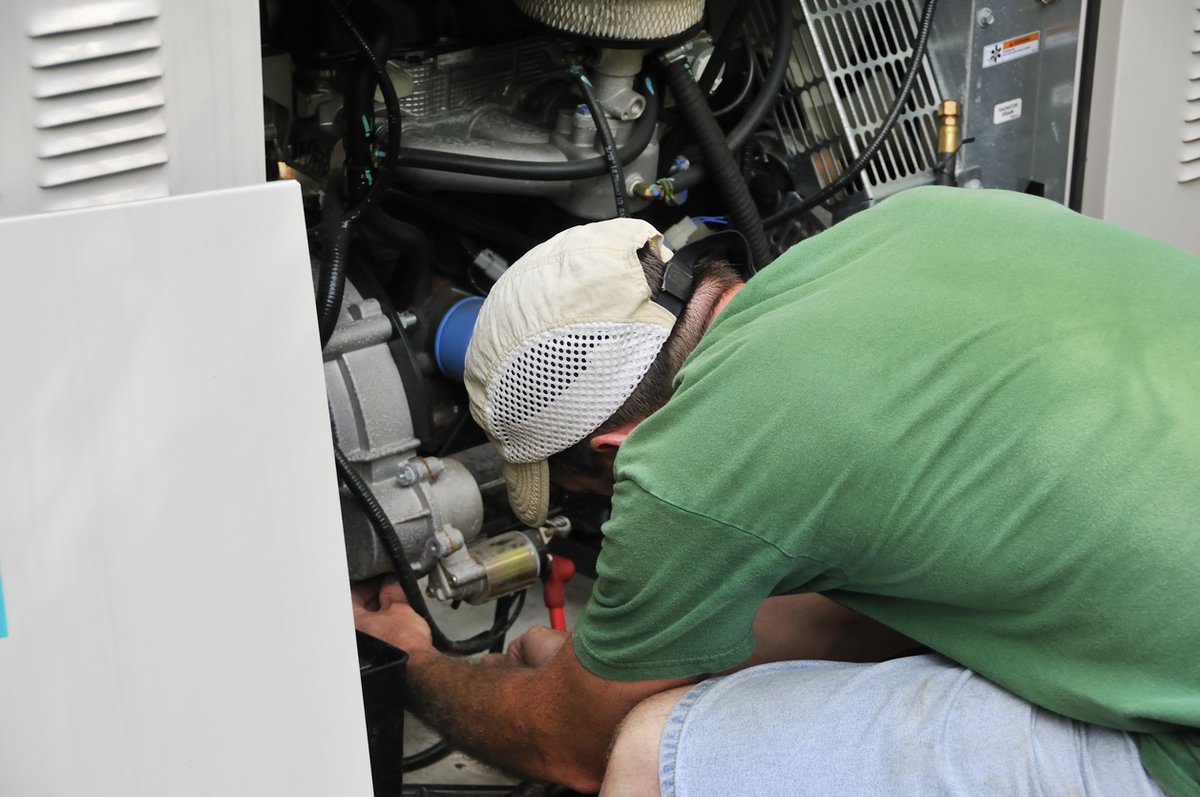
When the power goes out, your generator isn't just a convenience—it's your lifeline. But like any complex machine, it demands attention. Understanding generator maintenance and troubleshooting isn't just about fixing problems; it's about preventing them, ensuring your backup power source is always ready when you need it most. This isn't a job for guesswork; it's a systematic approach to peace of mind.
From the hum of a healthy engine to the silence of a malfunction, recognizing the signs and knowing the steps can save you time, money, and stress. We'll walk you through the common pitfalls, equip you with a troubleshooting blueprint, and empower you with the knowledge to keep your generator running smoothly for years.
At a Glance: Your Generator Preparedness Checklist
- Fuel Freshness is Key: Stale fuel is the #1 enemy. Use stabilizer or drain for long storage.
- Safety First: Always disconnect power and fuel, allow cooling, and wear protection before touching anything.
- Visual Check: A quick look often reveals obvious issues like low fuel, loose wires, or blockages.
- Systematic Approach: Don't jump to conclusions. Follow a logical troubleshooting path.
- Manufacturer Manual: Your generator's manual is your best friend for specific details and error codes.
- Routine Care: Regular oil changes, spark plug checks, and filter replacements extend lifespan.
- Know Your Limits: For complex issues, professional help prevents further damage and ensures safety.
The Silent Threat: Why Generators Fail (and How to Spot It)
Generators, for all their robust utility, are susceptible to a range of issues that can leave you in the dark. Understanding the root causes of common generator problems is the first step toward effective maintenance and troubleshooting. It's about knowing what to look for before it becomes a crisis.
The Frustrating "No-Start" Scenario
This is perhaps the most common and exasperating issue. You pull the cord or hit the start button, and... nothing. Or maybe a sputter, then silence. The culprits here are typically straightforward and often fuel-related:
- Stale or Contaminated Fuel: Gasoline can degrade in as little as 30 days, especially if it contains ethanol, which attracts water and leaves gummy deposits. This clogs fuel lines and carburetors.
- Insufficient Fuel or Closed Fuel Valve: Sometimes it's as simple as an empty tank or forgetting to open the fuel shut-off valve. Don't laugh—it happens!
- Clogged Fuel System: Beyond stale fuel, filters can clog with debris, or the carburetor jets can become blocked, preventing proper fuel-air mixture.
- Battery Blues: For electric-start models, a dead or weak 12-volt battery, often due to lack of use, means no crank. Corroded terminals also impede power flow.
- Spark Plug & Ignition Woes: A fouled, damaged, or improperly gapped spark plug can't ignite the fuel. Faulty ignition coils or blown fuses in the electrical circuit can also interrupt the spark.
- Low Oil Shutdown: Most modern generators have a low-oil sensor that prevents the engine from starting or running if the oil level is too low. This protects the engine from severe damage.
- Blocked Gas Cap Vent: A seemingly minor issue, a clogged vent on the fuel cap creates a vacuum in the tank, preventing fuel from flowing to the engine.
Powering Down: Low Output or Poor Performance
Your generator might start and run, but it’s not quite right. It struggles to power appliances, or the engine sounds rough. This indicates a different set of problems:
- Restricted Airflow: A dirty or clogged air filter chokes the engine, reducing its ability to draw in enough air for combustion, leading to reduced power and inefficient operation.
- Worn Brushes or Alternator Issues: Inside the generator head (the part that produces electricity), worn carbon brushes or problems with the alternator's windings can reduce or eliminate electrical output.
- Motor Bearing Problems: Unusual noises like grinding or squealing can point to failing motor bearings, affecting engine performance and potentially leading to overheating.
- Overloading: Trying to run too many appliances at once can stress the generator, causing it to bog down or even trip circuit breakers.
The Heat is On: Overheating and Abrupt Shutdowns
A generator that frequently overheats or suddenly shuts off needs immediate attention. These issues can quickly lead to irreversible engine damage:
- Inadequate Ventilation: Generators need ample clear space around them for cooling. Obstructions or operating in an enclosed area traps heat.
- Excessive Load: Continuously running a generator at or beyond its maximum capacity for extended periods generates excessive heat.
- Internal Engine Problems: Issues like worn brushes or damaged alternators can contribute to overheating. Low oil can also cause friction and heat buildup.
No Juice: Engine Runs, No Electrical Output
This is a puzzling one: the engine purrs happily, but your appliances remain lifeless. The problem lies specifically with the electrical generation components:
- Tripped Circuit Breakers: The simplest fix: a circuit breaker on the generator's control panel might have tripped due to overload or a short.
- Loss of Residual Magnetism: The alternator needs a small magnetic charge (residual magnetism) to start producing electricity. If this is lost (e.g., from long storage or a sudden shutdown), the generator produces no output.
- Alternator Component Failure: Issues with the stator, rotor, or the Automatic Voltage Regulator (AVR)—the brain of the electrical output—can prevent power generation.
The Fast Track to Wear: Accelerated Degradation
Some conditions just chew through a generator's lifespan faster than others:
- Dusty or Humid Environments: Operating without adequate protection in these conditions can lead to accelerated wear on internal components, corrosion, and clogging of filters.
- Neglecting Maintenance: Skipping oil changes, filter replacements, and general inspections significantly shortens the generator's life.
Safety First, Always: The Unbreakable Rule
Before you even think about grabbing a wrench, prioritize safety. Ignoring these steps can lead to serious injury, fire, or further damage to your generator. This isn't a suggestion; it's a mandate.
- Remove All Loads: Disconnect everything plugged into the generator. You don't want unexpected power surges or to be working on a live circuit.
- Turn Off the Unit: Ensure the generator's engine switch is in the "OFF" position.
- Cool Down: Allow the engine and muffler to cool completely. These parts get incredibly hot during operation and can cause severe burns.
- Disable Accidental Start:
- Spark Plug: Crucially, disconnect the spark plug cap from the spark plug. This prevents any possibility of the engine accidentally firing while you're working on it.
- Battery (Electric Start): For models with an electric start, disconnect the negative battery cable. This cuts off power to the starter and other electrical components.
- Personal Protective Equipment (PPE): Always wear safety goggles to protect your eyes from debris, fuel splashes, or unexpected sparks. Heavy-duty gloves will protect your hands from cuts, scrapes, and chemicals.
- Ventilation is Key: If you're working on the generator indoors (e.g., in a garage), ensure the area is extremely well-ventilated to prevent carbon monoxide buildup from residual fumes. Ideally, do repairs outdoors.
- Fire Extinguisher: Keep a multi-purpose fire extinguisher (Class B for flammable liquids) nearby, especially when dealing with fuel.
- Stable Surface: Ensure the generator is on a level, stable surface to prevent it from tipping over during your inspection or repair.
These steps are non-negotiable. Only proceed once you've confirmed these safety measures are in place.
The Pro's Playbook: Systematic Troubleshooting Steps
When your generator acts up, don't just randomly poke around. A systematic approach, much like a doctor's diagnosis, is far more efficient and effective. Here’s how to troubleshoot like a pro, moving from the simplest checks to more complex diagnostics.
1. The Initial Visual Inspection: A Lot Can Be Seen
Before reaching for any tools, give your generator a thorough once-over. This can often reveal the most obvious issues:
- Fuel Level and Quality: Is there enough fuel? Does it look fresh and clear, or cloudy and separated?
- Battery Condition: For electric-start models, check the battery terminals for corrosion (white, powdery buildup) and ensure cables are securely attached.
- Wiring and Connections: Look for any loose, frayed, or disconnected wires.
- Physical Damage: Are there any obvious leaks (oil, fuel), dents, or broken parts?
- Blockages: Check air intakes, cooling fins, and exhaust for obstructions like leaves, dust, or nests.
2. Fuel System Deep Dive: The Lifeblood of Your Engine
Fuel is often the culprit. If your generator isn't starting or running smoothly, the fuel system is a prime suspect.
- Confirm Fuel Presence and Quality: As noted, verify you have fuel and it's fresh. Stale fuel smells varnish-like.
- Fuel Valve & Cap Vent: Ensure the fuel valve is in the "ON" or "OPEN" position. Check the gas cap vent for clogs. A simple test: loosen the cap slightly and try to start; if it starts, the vent was likely clogged.
- Drain Old Fuel: If the fuel is old, drain the tank completely. This means using a siphon pump or locating the drain plug/hose if your generator has one. Dispose of old fuel responsibly.
- Inspect and Replace Fuel Filters: Locate the inline fuel filter (if present) and inspect it for debris. Replace it if it looks dirty or clogged.
- Carburetor Check: If fuel isn't reaching the engine or it's running rough, the carburetor might be clogged. You might need to drain the carburetor bowl (usually a small screw at the bottom) or even remove it for a thorough cleaning.
3. Oil Matters: The Engine's Silent Guardian
A common reason generators refuse to start is surprisingly simple: low oil.
- Verify Oil Level: Use the dipstick to check the oil level. Ensure it's between the "add" and "full" marks. If low, top it up with the manufacturer-recommended oil type. Remember, the low-oil sensor is a protective feature, not a malfunction.
4. Spark & Electrical Integrity: Igniting the Power
For the engine to run, you need a strong spark.
- Test Battery Voltage (Electric Start): Use a multimeter to check the 12-volt battery's charge. It should read around 12.6 volts when fully charged. If significantly lower, it needs charging.
- Inspect Spark Plug: Remove the spark plug.
- Condition: Is the electrode tip carbon-fouled (black buildup), oily, or severely worn?
- Gap: Check the gap between the electrodes using a feeler gauge. It should match your manufacturer's specification. Adjust or replace the plug as needed.
- Check Ignition Coils and Fuses: While more complex, if the spark plug is good but there's no spark, the ignition coil or associated fuses might be faulty. This might require a professional if you're not comfortable with electrical diagnostics.
5. Airflow & Cooling Essentials: Letting it Breathe
An engine needs clean air to combust fuel efficiently and proper cooling to prevent overheating.
- Clean or Replace Air Filter: Locate the air filter housing. Remove the filter and inspect its condition. If it's dirty, clogged, or damaged, clean it (if it's a foam type) or replace it (paper element).
- Cooling System Check (Liquid-Cooled Models): For larger, liquid-cooled generators, check radiator fluid levels and inspect cooling fans for proper operation. Ensure cooling fins are clear of debris.
- Clear Vents: Make sure all air intake and exhaust vents are free from dust, debris, or obstructions.
6. Assess Load & Output: Is it an Electrical Problem?
If the engine runs but you're not getting power, focus on the electrical output.
- Disconnect Non-Essential Devices: If you're getting some power but not enough, disconnect everything except a single test light or small appliance to rule out an overload.
- Check Circuit Breakers: Locate the circuit breakers on the generator's control panel. If any are tripped (usually in the "OFF" or middle position), reset them by pushing them fully "OFF" then back "ON."
- Measure Power Output: Use a multimeter to test voltage at the generator's outlets. This confirms if power is actually being generated.
7. Consult Diagnostics: Reading the Digital Clues
Modern generators, especially larger or inverter models, often feature diagnostic display panels.
- User Manual is Key: Refer to your generator's user manual for a list of error codes and their meanings. These codes can pinpoint specific system failures, such as low oil, overheating, or a fault in the inverter.
By following these steps, you'll systematically narrow down the problem, often identifying the issue without needing specialized tools or extensive experience.
DIY Fixes You Can Tackle: Getting Your Hands Dirty (Safely!)
Many common generator problems have straightforward solutions you can perform yourself, saving you a service call. Always ensure safety protocols are followed before attempting any repair.
Fuel Freshness Fixes: Clearing the Arteries
- Drain and Refill: If you suspect stale fuel, the most effective DIY fix is to drain all the old fuel from both the tank and the carburetor bowl. Refill with fresh, high-octane gasoline.
- Fuel Stabilizer & Carburetor Cleaner: For prevention, use a high-quality fuel stabilizer every time you fill up, especially if the generator won't be used for more than a few weeks. If you suspect minor clogs, add a carburetor cleaner additive to fresh fuel; it can dissolve deposits without requiring a full carburetor disassembly.
- Ethanol-Free Gas: Wherever possible, use ethanol-free gasoline for small engines. Ethanol attracts water and causes significant damage to fuel system components over time.
Spark Plug Refresh: Igniting Performance
- Inspect, Clean, and Gap: Remove the spark plug. If it has carbon deposits, gently clean them off with a wire brush or fine sandpaper. Use a feeler gauge to check the gap between the electrodes; bend the outer electrode carefully to adjust it to the manufacturer's specification.
- Replace: If the spark plug looks severely worn, cracked, or if cleaning and gapping don't resolve the issue, simply replace it with a new one of the correct type. They're inexpensive and a common wear item.
Battery Rejuvenation: Powering the Start
- Slow Charging: If your electric-start battery is discharged, connect it to a trickle charger or a slow charger. A slow, steady charge (e.g., 1-2 amps) is better for battery health than a fast charge.
- Terminal Cleaning: Use a wire brush and a battery terminal cleaner solution (or a paste of baking soda and water) to scrub away any corrosion from the battery terminals and cable clamps. Ensure they're clean and shiny for optimal electrical contact. Apply a thin layer of dielectric grease to prevent future corrosion.
Restoring Electrical Output: The "Field Flash" & Breaker Reset
- Reset Breakers: This is the easiest. If the engine runs but there's no power, locate all circuit breakers on your generator's control panel. Flip them fully "OFF," then firmly back to "ON." Test the outlets.
- Field Flashing (Loss of Residual Magnetism): If resetting breakers doesn't work and your engine runs, you might have lost residual magnetism. This DIY fix requires a bit more care. You'll need a 12-volt battery (like a car battery) and two jumper wires. Consult your specific generator manual for the exact procedure and safety warnings, as improper technique can damage the generator. Generally, it involves briefly applying a small direct current to the exciter circuit of the alternator to "flash" it, restoring the necessary magnetism. This is often the fix for "engine runs, no AC power" when no other obvious electrical fault is found.
Breathing Easy: Air Filter Care
- Clean or Replace: For foam filters, wash them gently with warm, soapy water, rinse thoroughly, let them air dry completely, and then lightly oil them with engine oil (squeeze out excess). For paper filters, if they're lightly dusty, you can tap them to remove loose debris, but never use compressed air on them as it can damage the paper pores. If heavily soiled, replace them.
By tackling these common issues yourself, you empower yourself to keep your generator ready, reducing reliance on costly professional services for minor glitches.
The Prevention Game: Routine Maintenance for Longevity
The best troubleshooting is the kind you never have to do. Proactive, routine maintenance is the single most effective way to extend your generator's life, ensure its reliability, and save you from inconvenient breakdowns. Think of it as an investment in uninterrupted power.
Regular Scheduled Maintenance: Follow the Book
- Manufacturer Guidelines are Gospel: Every generator comes with a user manual that specifies maintenance intervals (e.g., every 50 hours, annually). Adhere to these schedules for oil changes, filter replacements, and general inspections. These aren't suggestions; they're critical for optimal performance and warranty validity.
Fuel Management: The Number One Culprit
- Stabilize or Drain: For generators that sit idle for over 30 days, you have two options:
- Stabilize: Fill the tank with fresh fuel and add a high-quality fuel stabilizer, then run the generator for a few minutes to circulate the stabilized fuel through the carburetor.
- Drain: Completely drain the fuel tank and carburetor bowl. This eliminates the risk of stale fuel issues.
- Clean Carburetors Regularly: Even with stabilization, it's a good practice to occasionally drain and inspect the carburetor bowl for sediment.
- Ethanol-Free Fuel: If available, always opt for ethanol-free gasoline, especially for small engines. It significantly reduces the risk of fuel system corrosion and gumming.
Battery Care: Keeping the Spark Alive
- Periodic Charging: For electric-start models, charge the battery periodically (e.g., monthly or every few months) with a trickle charger, even when not in use. This prevents sulfation, a common cause of battery failure.
- Inspect and Clean Terminals: Regularly check battery terminals for corrosion and clean them as part of your routine. A thin coat of dielectric grease helps prevent future corrosion.
Spark Plug & Air Filter Replacement: Breathing and Firing
- Spark Plugs: Replace spark plugs annually or after every 100 hours of running time, whichever comes first. A fresh spark plug ensures efficient combustion.
- Air Filters: Check air filters frequently (especially in dusty conditions) and replace them at recommended intervals or when visibly dirty. A clean air filter is vital for proper engine breathing and fuel efficiency.
Wiring Connections: Tight and Secure
- Check All Connections: Periodically inspect all wiring connections, from the battery to the outlets, ensuring they are tight, secure, and free from corrosion or damage. Loose connections can lead to intermittent power or even electrical fires.
Cooling System Checks: Staying Chill
- Keep Vents Clear: Ensure all air vents, cooling fins, and areas around the engine are free of dust, debris, spider webs, and obstructions. Good airflow is essential for preventing overheating.
- Coolant Levels (Liquid-Cooled): For larger, liquid-cooled generators, regularly monitor coolant levels and add appropriate antifreeze/coolant as specified by the manufacturer.
Load Management: Don't Overwork It
- Operate Within Capacity: Never continuously run your generator at or above its rated maximum capacity. This overstresses components, leads to premature wear, and increases the risk of overheating and failure.
- Balance Load: Try to distribute the load across multiple outlets if available, and prioritize essential appliances.
Environmental Protection: Shelter from the Storm
- Clean, Dry Storage: Store your generator in a clean, dry environment, preferably covered, to protect it from dust, moisture, and extreme temperatures. This prevents rust, corrosion, and protects sensitive electrical components.
- Protection During Use: When operating outdoors, consider a generator cover or canopy that allows for proper ventilation while protecting against rain and direct sun.
Regular Exercise: The Monthly Workout
- Run Monthly: Start and run your generator under a light load (e.g., a few lights, a fan) for 20-30 minutes at least once a month. This serves several critical purposes:
- Lubricates engine parts, preventing seals from drying out.
- Circulates fuel and oil.
- Recharges the battery (if it's an electric start model that charges while running).
- Helps maintain residual magnetism in the alternator.
- Allows you to verify it's working before an actual emergency.
Maintain Detailed Records: Your Generator's Health Journal
- Log Everything: Keep a logbook of maintenance dates, hours of operation, oil changes, filter replacements, and any repairs made. This helps you track patterns, anticipate future needs, and provides valuable information if you ever need professional help or decide to sell the unit.
Following these routine maintenance practices turns your generator into a reliable partner, ready to serve when called upon. It's the ultimate defense against unexpected outages. Speaking of reliable power, if you're exploring options or looking for specific models, you might want to Discover the Predator Generator 2000 for robust performance and easy maintenance design.
When to Call in the Cavalry: Knowing Your Limits
While many generator issues are DIY-friendly, there comes a point where professional expertise is not just recommended, but essential. Pushing beyond your comfort zone or skill level can lead to more costly damage, void warranties, or even create safety hazards. Knowing when to call a certified technician is a sign of smart ownership.
Here are scenarios where professional repair is the wise choice:
- Complex Electrical System Failures:
- If the engine runs perfectly but you consistently get no electrical output, even after checking circuit breakers and attempting a field flash, it points to a deeper issue within the alternator assembly (stator, rotor, Automatic Voltage Regulator (AVR)). These components require specialized diagnostic tools and knowledge to repair or replace.
- Persistent glitches on the control panel, diagnostic errors that won't clear, or inconsistent voltage output often indicate problems with sophisticated electronic components that are best left to experts.
- Internal Engine Damage or Mechanical Failures:
- Unusual Metallic Noises: Grinding, knocking, loud squealing, or persistent rattling sounds originating from the engine are red flags. These often indicate serious internal mechanical problems like worn pistons, valve issues, crankshaft problems, or failing bearings. Continuing to run the unit in this condition will inevitably lead to catastrophic and extremely costly damage.
- Engine Seizure: If the engine simply won't turn over, even with a charged battery and sufficient oil, it could be seized due to internal damage.
- Persistent Overheating:
- If your generator continues to overheat despite ensuring proper ventilation, correct load, and clean cooling fins, there might be an internal cooling system malfunction or an engine problem causing excessive heat generation.
- Visible Leaks (Beyond Minor Drips):
- Significant or persistent leaks of oil or fuel are not just messy; they pose significant fire hazards and environmental risks. Identifying the source and properly sealing leaks often requires specialized tools and expertise.
- Carburetor Beyond Basic Cleaning:
- If a simple carburetor cleaner additive or draining the bowl doesn't resolve fuel-related running issues, and you're not comfortable with disassembling, cleaning, and rebuilding a carburetor, it's time for a professional. Carburetor tuning and jetting can be intricate.
- Safety Concerns:
- If you encounter a problem that makes you feel unsafe to continue working on the generator—perhaps exposed live wires, strong fuel odors, or any situation beyond your comfort level—stop immediately and call for help.
A professional technician has the specialized tools, diagnostic equipment, and experience to accurately identify complex issues, perform repairs efficiently, and ensure your generator meets safety standards. They can prevent you from inadvertently causing more damage, which can often be more expensive than the initial repair.
Beyond the Basics: Advanced Tips for Peak Performance
Once you've mastered the fundamentals of generator maintenance and troubleshooting, a few advanced considerations can push your generator's reliability and longevity even further.
- Fuel Filtration Upgrades: For generators used frequently or in critical applications, consider adding an auxiliary inline fuel filter with a water separator. This provides an extra layer of protection against contaminants and moisture, which are common issues, especially with ethanol fuels.
- Oil Analysis (for larger units): For very large, critical, or commercial generators, periodic oil analysis can provide invaluable insights into the engine's internal health. Lab tests can detect wear metals, coolant leaks, fuel dilution, and other issues long before they become visible problems.
- Voltage and Frequency Monitoring: While most residential generators have basic output indicators, a dedicated multimeter with accurate voltage and frequency readings allows you to precisely monitor your generator's output. Fluctuations outside the normal range (e.g., 120V +/- 10%, 60Hz +/- 2%) can indicate AVR problems or engine speed issues that need attention.
- Spark Arrestor Maintenance: Many generators, particularly those used in wildland-fire-prone areas, have a spark arrestor in the muffler to prevent hot carbon particles from escaping. This arrestor can become clogged with carbon, restricting exhaust flow and reducing performance. Consult your manual for cleaning procedures, which often involve simply removing and brushing out the screen.
- Proper Grounding: Ensure your generator is always properly grounded according to manufacturer instructions and local electrical codes. This is a critical safety measure, especially for portable generators, to protect against electrocution.
- Understanding Load Characteristics: Different types of electrical loads behave differently. Resistive loads (lights, heaters) are easy, but inductive loads (motors in refrigerators, pumps, power tools) require a surge of starting power. Knowing your generator's surge capacity and not exceeding it will prevent overloading and premature wear. Inverter generators handle these varied loads more efficiently.
These deeper dives into generator care can turn a reliable machine into an exceptionally resilient one, capable of weathering any storm.
Your Generator, Reimagined: A Partner in Preparedness
Ultimately, your generator is more than just a piece of machinery; it's an integral part of your preparedness plan. By embracing the principles of systematic generator maintenance and troubleshooting, you're not just performing tasks; you're building confidence, extending the life of your investment, and ensuring that when the unexpected happens, you're never left in the dark.
From the simple act of checking your fuel to understanding complex electrical output, every step you take contributes to its reliability. Don't wait for a power outage to realize your generator needs attention. Make routine care a habit, approach problems methodically, and know when to enlist professional help. With this comprehensive guide, you're well-equipped to keep your generator humming smoothly, ready to provide power when it matters most.