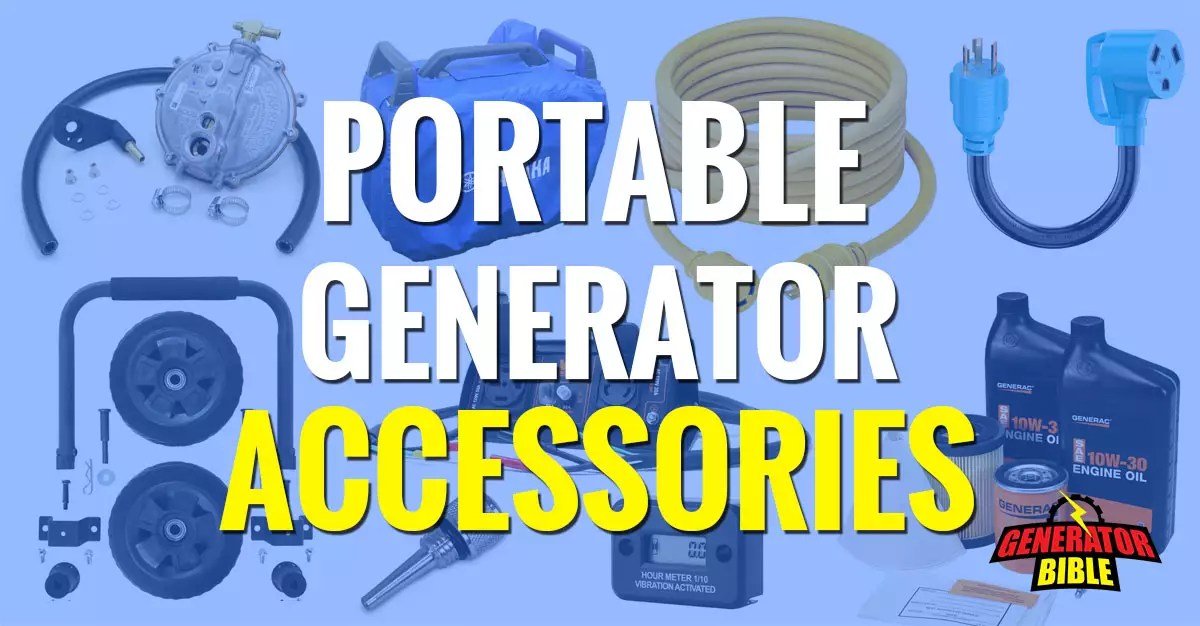
Power outages can strike without warning, turning daily routines upside down. But having a reliable generator is only half the battle. To truly master your emergency power setup and unlock its full potential, you need to think beyond the unit itself. Generator accessories & upgrades are the unsung heroes that elevate your system from "just okay" to truly robust, safe, and efficient.
They're not just add-ons; they’re critical components that enhance performance, extend lifespan, and, most importantly, ensure the safety of your home and loved ones. From smart power distribution to essential maintenance tools, diving into the world of generator enhancements is a smart move for any owner.
At a Glance: Your Generator Accessories & Upgrades Checklist
- Safety First: Always prioritize carbon monoxide detectors, grounding kits, and proper fuel storage.
- Power Connection: Invest in heavy-duty cords and consider a transfer switch or interlock kit for safe home integration.
- Maintenance Matters: Covers, maintenance kits, and fuel stabilizers significantly prolong your generator's life.
- Convenience & Efficiency: Wheel kits, remote start, and extended-run tanks make operation easier and more efficient.
- Smart Solutions: Explore Wi-Fi monitors and dual-fuel conversion for advanced control and versatility.
- Compatibility is Key: Ensure all accessories are rated for your specific generator model and power output.
Why Upgrade? The Unsung Heroes of Reliable Power
Think of your generator as the engine, and its accessories as the finely tuned components that allow it to perform at its peak. Without the right supporting cast, even the most powerful generator can fall short. These upgrades aren't about extravagance; they're about practicality, security, and peace of mind.
Proper accessories tackle common pain points:
- Safety Hazards: Preventing carbon monoxide poisoning or electrical overloads.
- Limited Run Time: Extending how long your generator can power essential devices.
- Difficult Operation: Making start-up and monitoring more user-friendly.
- Premature Wear & Tear: Protecting your investment from the elements and neglect.
In essence, these additions transform a basic power source into a resilient, user-friendly, and comprehensive emergency power solution. They’re the difference between struggling through an outage and confidently navigating it.
Essential Accessories for Every Generator Owner
Let's break down the must-haves, categorized by their primary function.
Power Distribution & Connection: Getting Power Where It's Needed Safely
Connecting your generator to your home or appliances requires more than just plugging in. Doing it correctly is crucial for both functionality and safety.
Heavy-Duty Extension Cords: The Lifelines of Your Setup
Not all extension cords are created equal. For generators, you need cords specifically designed to handle high wattages and resist the elements. Look for:
- Gauge: A lower gauge number (e.g., 10-gauge) indicates a thicker wire, capable of carrying more current over longer distances without voltage drop or overheating. Never use standard household extension cords with a generator.
- Length: Keep cords as short as possible to minimize power loss. If you need significant length, ensure the gauge is appropriate.
- Rating: Outdoor-rated (SJOW, SJOOW) cords are essential for weather resistance.
- Ends: Look for cords with multiple outlets or adapters if you plan to power several smaller devices.
Using the wrong cord is a major fire hazard and can damage your appliances or even the generator itself. Prioritize quality here.
Transfer Switches & Interlock Kits: Seamless Home Power Integration
If you plan to power hardwired appliances like your furnace, well pump, or refrigerator directly from your home's electrical panel, a transfer switch or interlock kit is non-negotiable. These devices prevent "backfeeding" – sending power back into the utility grid – which can electrocute utility workers.
- Manual Transfer Switches: These require you to manually flip switches to isolate your home from the grid and connect to the generator. They're a cost-effective and safe way to power specific circuits. When [selecting the right transfer switch], consider your home's electrical load and the circuits you absolutely need powered during an outage.
- Automatic Transfer Switches (ATS): Typically used with larger standby generators, an ATS detects a power outage, starts your generator, and automatically switches your home's power source. When utility power returns, it switches back and shuts down the generator. This offers ultimate convenience but comes with a higher price tag.
- Generator Interlock Kits: A more affordable alternative to a full transfer switch for portable generators. An interlock kit physically prevents your main breaker from being on at the same time as your generator breaker, ensuring backfeeding cannot occur. It requires a dedicated generator inlet box.
Generator Inlet Boxes & Power Cords
An inlet box is a weatherproof outdoor receptacle mounted on your home, connected to your transfer switch or interlock kit. A heavy-duty power cord then connects your generator to this inlet box. This provides a clean, safe, and code-compliant way to deliver generator power directly to your home's electrical system, eliminating the need for multiple extension cords snaking indoors.
Maintenance & Longevity: Protecting Your Investment
A generator is a significant investment, and like any engine, it needs proper care to last. These accessories extend its lifespan and ensure it's ready when you need it most.
Generator Covers & Storage Solutions: Shielding from the Elements
Leaving your generator exposed to rain, snow, dust, and UV rays can drastically shorten its life. A high-quality, weatherproof generator cover is a simple, inexpensive way to protect it. Look for covers made from durable, waterproof fabric, preferably with UV resistance and a snug fit. Some covers are even designed to be used while the generator is running, allowing for ventilation.
For long-term storage, a dedicated shed or garage space is ideal, but a robust cover is essential even for temporary outdoor placement.
Maintenance Kits: Keeping It Running Smoothly
Just like your car, your generator needs regular tune-ups. Maintenance kits typically include:
- Spark Plugs: For reliable ignition.
- Air Filters: To prevent dirt and debris from entering the engine.
- Oil Filters (if applicable): To keep the oil clean and the engine lubricated.
- Engine Oil: Specific types are recommended by manufacturers.
Having a kit on hand makes routine maintenance easy and ensures your generator is always in prime condition. For detailed guidance, learn more about [essential portable generator maintenance tips]. Neglecting maintenance is the quickest way to guarantee a generator fails precisely when you need it most.
Fuel Stabilizers & Cleaners: Battling Stale Fuel
Gasoline can degrade in as little as 30 days, especially if it contains ethanol. Stale fuel can clog carburetors and fuel lines, making your generator difficult or impossible to start.
- Fuel Stabilizer: Essential for any generator that sits unused for more than a month. Add it to your fuel tank before storing the generator or any fuel cans. It prevents oxidation and keeps the fuel fresh.
- Fuel System Cleaners: If you suspect stale fuel has already caused issues, a fuel system cleaner can sometimes dissolve varnish and carbon buildup, though prevention is always better than cure.
Safety First: Non-Negotiable Additions
Safety should always be paramount when operating a generator. These accessories are vital for protecting yourself, your family, and your property.
Carbon Monoxide Detectors: The Silent Killer's Warning
Generators produce carbon monoxide (CO), an odorless, colorless, and deadly gas. Operating a generator in an enclosed space, even an open garage, can lead to fatal CO poisoning. A battery-operated carbon monoxide detector (or multiple detectors) should be placed inside your home, away from the generator, whenever it's running. This is non-negotiable for safety.
Grounding Kits: Preventing Electrical Shock
Most portable generators require proper grounding to prevent electrical shock, especially if they're not connected to a transfer switch or interlock kit. A grounding kit typically includes a copper rod that's driven into the earth and a heavy-gauge wire connecting the rod to your generator's grounding lug. Always consult your generator's manual for specific grounding requirements and local electrical codes.
Fire Extinguishers: Ready for the Unexpected
Working with fuel and electricity always carries a risk of fire. Keep an ABC-rated fire extinguisher readily accessible near your generator's operating location. It's a small investment that can prevent a catastrophe.
Safe Fuel Cans & Storage: More Than Just a Container
Fuel storage isn't just about having extra gas; it's about storing it safely.
- Approved Cans: Use only EPA and CARB-compliant plastic or metal fuel cans designed for gasoline. These cans have features like flame arrestors and child-proof caps.
- Ventilation: Store fuel in a cool, well-ventilated area, away from living spaces, heat sources, and direct sunlight. A detached shed or garage is ideal.
- Quantity: Only store enough fuel for immediate needs, and always follow local regulations on maximum storage quantities. For more on this, refer to [safe fuel storage practices].
Portability & Convenience: Making Operation Easier
Some accessories simply make your generator more user-friendly, especially portable models.
Wheel Kits & Handles: Mobility Made Easy
Many portable generators are heavy. A sturdy wheel kit with large, all-terrain wheels and comfortable handles can transform a back-breaking lift into an easy roll. If your generator didn't come with them, an aftermarket kit is a worthwhile upgrade.
Remote Start Kits: Power at Your Fingertips
Imagine starting your generator from the comfort of your home without stepping into the rain or cold. Remote start kits allow you to do just that, typically via a wireless key fob or a smartphone app (for smart models). This is a fantastic convenience feature, especially during harsh weather.
Hour Meters: Tracking Maintenance Intervals
An hour meter attaches to your generator and accurately tracks its run time. This simple device takes the guesswork out of maintenance, allowing you to follow the manufacturer's recommended service intervals precisely, ensuring your generator receives timely oil changes, filter replacements, and other necessary upkeep.
Smart Upgrades for Enhanced Performance
Ready to take your generator setup to the next level? These upgrades focus on efficiency, noise reduction, and advanced control.
Fuel Management & Efficiency: Stretching Your Run Time
Fuel is often the most limiting factor during an extended outage. These upgrades help you get more out of every gallon.
Dual-Fuel & Tri-Fuel Conversion Kits: Versatility in Fuel Choice
Many generators run solely on gasoline. A dual-fuel kit allows your generator to run on either gasoline or propane. Propane offers several advantages: it has a longer shelf life, burns cleaner, and is easier to store in large quantities (though less energy-dense than gasoline). Some kits even allow for tri-fuel operation, adding natural gas to the mix if you have a connection nearby. This versatility means you can use whichever fuel is most accessible or cost-effective during an emergency.
Extended Run Fuel Tanks: Powering On for Longer
Portable generators often have relatively small fuel tanks, requiring frequent refueling. An extended run fuel tank connects externally to your generator, providing a much larger fuel capacity. This allows your generator to run for significantly longer periods without interruption, perfect for overnight operation or prolonged outages. Just ensure your generator is compatible and always adhere to safe fueling procedures.
Noise Reduction Solutions: Quieter Power
Generators, especially older or more powerful models, can be noisy. If your generator is near your home or neighbors, noise reduction can be a major quality-of-life improvement.
Mufflers & Silencers: Taming the Roar
Aftermarket mufflers or silencers can often reduce engine noise by a few decibels. While they won't make a construction-grade generator whisper-quiet, they can significantly improve comfort levels. Always ensure any muffler upgrade is compatible with your generator model and doesn't restrict exhaust flow, which could damage the engine.
Acoustic Enclosures & Sound-Dampening Boxes
For the most significant noise reduction, consider a dedicated acoustic enclosure. These sound-insulated boxes surround the generator, absorbing much of the noise. They must be carefully designed to ensure adequate ventilation for exhaust and cooling, preventing dangerous heat buildup and carbon monoxide accumulation. Some pre-built options are available, or you can construct a DIY version with proper planning.
Smart Monitoring & Control: Modern Convenience
Technology has even made its way to generators, offering enhanced monitoring and control.
Wi-Fi/Bluetooth Monitors & Apps: Stay Informed
Many newer generators, and some aftermarket kits, offer Wi-Fi or Bluetooth connectivity. This allows you to monitor your generator's status—fuel level, run time, maintenance alerts, error codes—directly from your smartphone or tablet, often with push notifications. This means you don't have to brave the elements just to check if the generator is still running or needs fuel.
Automatic Load Shedding Devices
For larger home backup systems, automatic load shedding devices can be incredibly smart. If your generator's load approaches its maximum capacity, these devices can automatically shut off non-essential circuits (like certain AC units or water heaters) to prevent overloading the generator, ensuring essential circuits remain powered. This optimizes your generator's performance and prevents potentially damaging overloads.
Beyond the Basics: Advanced Power Management
For those looking for ultimate control and integration, some advanced accessories bridge the gap between simple backup and full home energy resilience.
Generator Interlock Kits: Code-Compliant Backup
We touched on these earlier, but it's worth reiterating their importance for anyone wanting to back up their entire home panel with a portable generator. Unlike a simple power cord, an interlock kit ensures that your main utility breaker and your generator breaker can never be on at the same time. This is a crucial safety mechanism, preventing hazardous backfeeding into the utility grid. Installation typically requires a qualified electrician to ensure it meets all local electrical codes. It’s a key component if you plan to [prepare for a power outage] with a robust home backup plan.
Load Management Devices: Prioritizing Power
Beyond automatic load shedding, some sophisticated systems allow you to manually or programmatically prioritize which appliances or circuits receive power. For instance, during an outage, you might choose to power the refrigerator and a few lights, then temporarily shift power to the microwave for a few minutes, before reverting to essential loads. This level of control is particularly useful with smaller generators trying to meet varying power demands.
Making the Right Choice: What to Consider
With so many options, how do you pick the right accessories and upgrades for your specific situation?
Generator Type & Size: Compatibility is King
The first rule of generator accessories: ensure compatibility.
- Portable Generators: Often benefit most from wheel kits, extended run tanks, and remote start. A smaller inverter model, like if you [Explore the Predator Generator 2000], might pair well with specialized quiet kits.
- Standby Generators: Typically come with an automatic transfer switch, but might benefit from smart monitoring apps or advanced load management systems.
- Inverter Generators: Known for being quieter and more fuel-efficient, they may not need as much noise reduction but could benefit from parallel kits (to combine two inverters for more power) or advanced fuel solutions.
Always check your generator's manual for recommended accessories and wattage limitations.
Your Specific Needs: What Problem Are You Solving?
Are you preparing for occasional short blackouts, frequent extended outages, camping trips, or job site use?
- Home Backup: Prioritize transfer switches/interlock kits, CO detectors, and robust fuel storage.
- Camping/Tailgating: Focus on portability, quiet operation, and convenient starting features.
- Job Site: Durability, heavy-duty cords, and ample power distribution are key.
Tailor your accessory choices to your primary use case.
Budget vs. Benefit: Where to Invest
Some accessories are non-negotiable safety items, while others are convenience upgrades.
- Must-haves (Safety & Core Function): CO detectors, proper cords, grounding, fuel stabilizers, covers, and a transfer switch/interlock if connecting to your home.
- High-Value Upgrades (Longevity & Efficiency): Maintenance kits, extended run tanks, dual-fuel conversion.
- Convenience Upgrades: Wheel kits, remote start, smart monitoring.
Prioritize safety and core functionality first, then allocate remaining budget to features that significantly improve your user experience.
Installation & Expertise: DIY or Pro?
Many accessories, like covers or wheel kits, are simple DIY installs. However, anything involving your home's electrical panel (transfer switches, interlock kits, inlet boxes) absolutely requires a qualified, licensed electrician. Attempting these without proper expertise is dangerous and can void warranties or insurance. Likewise, dual-fuel conversions, while sometimes sold as DIY kits, often benefit from professional installation to ensure safety and optimal performance.
Safety Protocols: Non-Negotiable Additions to Your Routine
Accessories can enhance safety, but they are no substitute for strict adherence to operational guidelines. Remember these critical protocols every time you use your generator:
- Outdoor Use Only: Never operate a generator inside your home, garage, shed, or any partially enclosed space. Keep it at least 20 feet away from your home's windows, doors, and vents to prevent carbon monoxide from entering.
- Proper Ventilation: Ensure the exhaust is directed away from occupied areas. Even with outdoor placement, prevailing winds can sometimes push exhaust back towards a building.
- Cooling Down Before Refueling: Always shut down the generator and allow it to cool completely before attempting to refuel. Spilled fuel on a hot engine can ignite instantly.
- Dry Operation: Never operate a generator in standing water or rain without adequate overhead protection (like a generator tent or enclosure designed for wet weather).
- Regular Inspections: Before each use, quickly check the oil level, fuel level, air filter, and ensure no cords are frayed or damaged.
By consistently following these guidelines, alongside using the right accessories, you'll be well on your way to [understanding generator safety protocols] and ensuring a safe power supply.
Common Myths & Misconceptions About Generator Accessories
Let's clear up some common misunderstandings.
- "Any extension cord will do." Absolutely not. Using undersized or unrated extension cords for your generator is a serious fire hazard and can damage both your generator and the connected appliances due to voltage drop and overheating. Always use heavy-duty, outdoor-rated cords of the appropriate gauge.
- "You only need a generator cover if it rains." While rain protection is crucial, a good cover also protects against dust, dirt, pollen, and UV rays. These elements can degrade plastic parts, clog air filters, and cause corrosion, even on sunny days. Consistent protection prolongs life.
- "My brand-new generator doesn't need regular maintenance." Even new generators need their initial break-in oil change (usually after the first 20-25 hours) and ongoing regular maintenance. Skipping these steps, especially early on, can lead to premature wear and void your warranty.
- "I can just plug my generator into a wall outlet to power my house." This is known as "backfeeding" and is incredibly dangerous. It can send electricity back into the utility grid, potentially electrocuting utility workers, and can also damage your home's electrical system or even the generator itself. Always use a transfer switch or interlock kit for safe home connection.
- "Fuel stabilizers aren't really necessary if I use my generator occasionally." If "occasionally" means more than a month or two between uses, then yes, a fuel stabilizer is highly recommended. Modern gasoline, especially with ethanol blends, degrades quickly and can cause significant problems for small engines.
- "My generator doesn't need to be grounded." While some inverter generators are designed with a floating neutral and don't require external grounding for general use, many traditional portable generators do. Always consult your specific generator's manual and local electrical codes to determine if grounding is required and how to do it safely.
Your Next Steps for a Resilient Power Future
You've got the generator; now it's time to equip it for success. Start by assessing your current setup and identifying any gaps.
- Safety First Audit: Do you have CO detectors, a fire extinguisher, and proper fuel storage? Are you using correctly rated extension cords? If not, these are your absolute first purchases.
- Evaluate Your Connection: If you plan to power hardwired appliances, begin researching transfer switches or interlock kits and consult with a licensed electrician.
- Plan for Maintenance: Invest in a quality cover, a maintenance kit, and fuel stabilizer. Schedule regular check-ups for your generator, even when it's not in use.
- Consider Convenience & Efficiency: If you're tired of refueling, struggling with weight, or dealing with noise, look into extended run tanks, wheel kits, or noise reduction solutions.
- Stay Informed: Keep your generator's manual handy, and regularly check for updates or safety advisories from the manufacturer.
Investing in the right generator accessories & upgrades isn't an afterthought; it's an integral part of building a reliable, safe, and efficient emergency power system. With thoughtful planning and smart choices, you'll be ready for whatever comes your way, turning a potential crisis into a manageable inconvenience.
Untuk pemahaman lebih lengkap, baca panduan utama kami: Explore the Predator Generator 2000