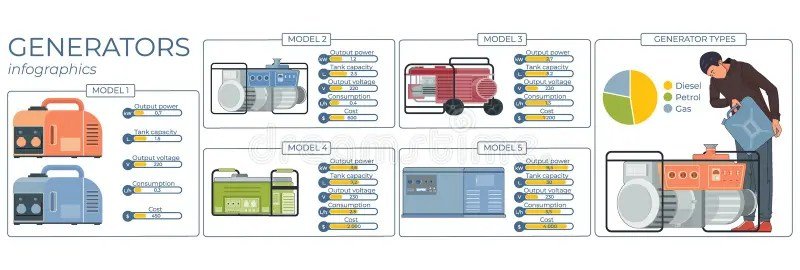
When the lights go out, whether it's a fleeting flicker or a multi-day blackout, few things feel as empowering as having a reliable generator humming in the background. But stepping into the world of portable power can quickly become overwhelming, with an alphabet soup of acronyms, wattage figures, and fuel types. That's where we come in. This guide cuts through the noise, helping you navigate the options and confidently land on the best fit for your home, business, or next adventure. We're diving deep into comparing generator models, breaking down what truly matters so you can make an informed decision.
At a Glance: Your Generator Selection Checklist
- Know Your Power Needs: Calculate total running watts and surge watts for all desired appliances. Always size up slightly.
- Portable vs. Standby: Decide if you need on-the-go power or an automatic, permanently installed solution.
- Clean Power for Sensitive Tech: Inverter generators are crucial for electronics; conventional generators are for heavy-duty, less sensitive loads.
- Fuel Flexibility: Consider natural gas for unlimited runtime, propane for storage, gasoline for common availability, or diesel for efficiency and durability. Dual/tri-fuel offers versatility.
- Noise & Features: Pay attention to decibel levels, safety features like low-oil shutoff, and ease-of-use options like electric starts.
- Budget & Support: Factor in purchase price, installation, fuel costs, and ensure a strong warranty and customer service from reputable brands.
Why Every Watt Matters: Powering Your World
Generators aren't just for emergencies; they're essential tools that keep life moving. For businesses, they prevent costly downtime during outages, safeguarding operations and revenue. Hospitals rely on them for unwavering readiness, ensuring critical care never falters. And for those working on remote construction sites or enjoying an off-grid adventure, generators provide the vital energy needed to power tools, lights, and amenities. The right generator isn't a luxury; it's a cornerstone of preparedness and productivity.
The Main Contenders: Understanding Generator Types
Before you can compare, you need to know what you're comparing. Generator models generally fall into two broad categories: portable and standby, with the added dimension of inverter versus conventional technology.
Portable Generators: Your Power Companion On-the-Go
Imagine powering your RV in the wilderness, keeping an outdoor party lively, or running essential tools on a remote job site. That's the sweet spot for portable generators. These versatile units are designed for mobility, not permanent installation. They can be electric or motor-powered, offering flexibility for various needs.
While they're excellent for temporary power solutions, it's crucial to remember that if you're using a portable generator for home backup, you'll need to monitor it continuously. This ensures you shut it off when utility power is restored, preventing potential circuit overloads.
- Typical Uses: Camping, RVing, tailgating, construction sites, temporary home backup.
- Installation: No permanent installation required; simply place it outdoors in a well-ventilated area.
- Power Output: Varies widely, from a few hundred watts to over 10,000 watts.
- Cost Range: Electric portable models might run from $800 to $2,000, while larger, more robust portable options can range from $1,500 to $25,000.
Standby Generators (Emergency Generators): The Automatic Guardian
For those who demand seamless, automatic power during an outage, standby generators are the answer. These robust units are permanently installed adjacent to your facility—be it a home, business, or medical center—and are directly connected to your existing utility services or main fuel supply.
The magic of a standby generator lies in its automatic transfer switch. When the utility power fails, this intelligent switch detects the outage, starts the generator, and transfers power to your building within seconds. When grid power is restored, it seamlessly reverses the process, shutting off the generator. This means no scrambling in the dark, no manual hookups, just uninterrupted power.
Electric standby generators are a specialized type that use utility power to keep internal batteries charged, ready to power the unit itself during an outage. Often found in storm-prone areas, these units typically offer higher wattage (often exceeding 10 kW), operate more quietly than their portable counterparts, and provide peace of mind. Large units for substantial buildings or critical medical facilities can command prices up to $125,000 per unit, and complex installations may require multiple units for comprehensive coverage.
- Typical Uses: Whole-home backup, business continuity, medical facility power, critical infrastructure.
- Installation: Permanent installation by a licensed professional, including connection to fuel lines and electrical system.
- Power Output: High wattage, often 10 kW and above, capable of powering entire homes or commercial buildings.
- Cost Range: Whole-house standby generators typically exceed $5,000, with large commercial units reaching up to $125,000+.
Inverter vs. Conventional Generators: Clean Power for Modern Devices
This distinction is crucial, especially in our gadget-heavy world. It’s not about how they’re installed, but how they produce electricity.
- Conventional Generators: These are the traditional workhorses. They produce "dirty" AC electricity directly from the engine's rotation. While perfectly fine for power tools, lights, or appliances with simple motors, this unfiltered power can be harmful to sensitive electronics like laptops, smartphones, and smart home devices which rely on microchips. Imagine a choppy, inconsistent wave of electricity; that's what a conventional generator can deliver.
- Inverter Generators: Think of these as the refined choice for modern living. Inverter technology works by first converting the raw AC power from the engine to DC power, then using a sophisticated inverter to convert it back to "clean" AC power. This results in a stable, consistent sine wave of electricity—much like the power you get from your wall outlets.
Inverter generators are renowned for being more fuel-efficient, generally quieter, and often feature parallel capability, meaning you can link two units together for increased power output. The downside? They typically come with a higher price tag and are usually limited to about 4,000 watts. If your power needs extend beyond this, a conventional generator might be your only option.
For those seeking a versatile and efficient portable option, exploring models like the Predator Generator 2000 could be a great starting point for understanding what compact, clean power can offer.
Decoding the Specs: Key Metrics for Comparison
Once you understand the basic types, it's time to dive into the nitty-gritty specifications that will dictate a generator's suitability for your specific needs.
1. Generator Sizing (Wattage): The Heart of Your Power Needs
This is perhaps the most critical metric. "Sizing" refers to a generator's power output (measured in watts or kilowatts), not its physical dimensions. Outputs can range from a modest 500 watts for small tasks to a hefty 50 kW for industrial applications.
To accurately determine your wattage needs, follow these steps:
- List Everything: Make a comprehensive list of all appliances, tools, and devices you expect to run simultaneously during an outage or project.
- Find Running Watts: For each item, note its continuous (running) wattage. This is usually found on the appliance label or in its manual.
- Account for Surge Watts: Motor-driven appliances (refrigerators, air conditioners, well pumps) require a much higher "start-up" or "surge" wattage for a few seconds. You must factor this in, as a generator needs to handle the highest surge demand at any given moment.
- Sum It Up: Add up the running wattages of all items, then identify the single appliance with the highest surge wattage. Add that highest surge wattage to your total running watts (assuming other surge items are not starting at the exact same moment). This gives you a rough estimate of your minimum required wattage.
Pro Tip: Always choose a generator with a slightly higher output than your calculated needs. Running a generator at its maximum continuous capacity constantly increases fuel consumption, generates more noise, and puts undue stress on the engine, potentially shortening its lifespan. Aim for a generator that can comfortably handle 80-90% of your maximum load.
2. Fuel Type: Powering Your Choice
The fuel a generator uses significantly impacts its performance, cost, and practicality. Each type has its own set of advantages and disadvantages, influencing horsepower, wattage, and amperage output.
- Natural Gas:
- Pros: Cheapest fuel option, virtually unlimited supply if connected to a home's line (a massive advantage for standby generators during extended outages), no need for on-site storage.
- Cons: Less energy-dense than other fuels, which can lead to a slight power loss compared to gasoline or diesel equivalents. Requires professional installation to connect to a gas line.
- Propane (LP):
- Pros: Less expensive than gasoline, stores for a very long time without degradation, readily available in portable tanks (like for BBQs). Runtime can be extended by connecting multiple or larger tanks.
- Cons: Can result in a slight power decrease compared to gasoline. Requires storing bulky tanks.
- Gasoline:
- Pros: Most common and readily available, highest energy density (meaning more power per gallon).
- Cons: Most expensive fuel type, limited runtime by tank capacity, degrades quickly (within 3-6 months), requiring fuel stabilizers or draining for long-term storage.
- Diesel:
- Pros: Generally provides the highest fuel efficiency, extremely durable engines with long lifespans, excellent for high horsepower needs. Portable diesel generators are often favored for demanding construction sites.
- Cons: Often the most expensive fuel per gallon, though efficiency can offset this. Engines can be louder and require more maintenance.
- Dual Fuel/Tri Fuel:
- Pros: Offers incredible flexibility, allowing you to switch between fuel types (e.g., gasoline and propane, or even adding natural gas). This is invaluable when one fuel source is scarce.
- Cons: Generally more complex engines and higher purchase cost.
3. Fuel Tank Capacity & Runtime: How Long Will It Last?
A generator's runtime—how long it can operate on a single tank or supply—is a direct function of its fuel tank size and engine efficiency. While a continuous propane or natural gas supply can theoretically extend runtime for several days, it's crucial to be mindful of heat buildup and engine maintenance during prolonged operation.
Safety Note: Never refuel a running generator. Always shut it down and allow it to cool completely before adding fuel to prevent dangerous fire hazards.
4. Noise Level: Keeping the Peace
Generators can be surprisingly loud. Noise levels are measured in decibels (dB) and vary significantly depending on the generator's size, type, and load.
- Quiet Conversation: Around 50 dB (typical for many inverter generators at 25% load).
- Normal Conversation: Around 60 dB.
- Lawnmower: Over 70 dB (common for larger, conventional portable generators).
If you're using a generator for camping, RVing, or even home backup in a residential area, noise output will be a major consideration for you and your neighbors. Inverter and smaller generators are almost always significantly quieter.
5. Portability: Moving Your Power
The ability to move your generator can be a key differentiator. Weight varies drastically, from light 47-pound units to behemoths over 200 pounds. Features like sturdy wheels (pneumatic wheels are excellent for rough terrain) and comfortable handles greatly enhance portability.
Beyond the Basics: Important Features & Safety
Modern generators come packed with features designed for safety, convenience, and longevity. Don't overlook these critical aspects when comparing generator models.
Display Options: Your Generator's Dashboard
Modern generators often include user-friendly LCD or LED status indicator lights. These displays are invaluable, providing real-time alerts for fuel levels, maintenance reminders (like upcoming oil changes), and operational status. Many also illuminate operation switches, making them safer and easier to use in low-light conditions or during night outages.
Safety Features: Protecting Your Investment and Yourself
Safety should always be paramount. Look for these essential features:
- Low-Oil Shutoff: This crucial feature automatically turns off the generator before the oil level drops too low, preventing catastrophic engine damage. It's typically accompanied by a low oil warning light.
- Overload Prevention: Generators are designed with circuit breakers that automatically shut down the unit if surge power limits are exceeded or if continuous power is maintained for too long at an unsafe level. This prevents overheating, potential fire hazards, and damage to the generator or connected appliances.
Ease of Use: Making Life Simpler
Convenience features can make a big difference in your overall experience:
- Electric Starters: Common in many inverter and larger portable generators, an electric starter allows you to power up the unit with the push of a button, eliminating the need for strenuous pull starts.
- Remote Starters: Some advanced models offer remote starting capabilities, allowing you to start or stop the generator from a distance.
- Carburetor Drains: For gasoline generators, a carburetor drain allows for easy removal of fuel before long-term storage. This prevents stale fuel from gumming up the carburetor, a common cause of starting problems.
Making Your Decision: Matching a Generator to Your Needs
Now that you have a comprehensive understanding of generator types and features, how do you pull it all together to make the right choice?
- For the Camper/RVer/Tailgater: Prioritize inverter generators for their clean power (safe for electronics), quiet operation, and fuel efficiency. Portability, including weight and robust wheels, will also be key. A 120-volt 30-amp RV-ready outlet is ideal for direct connection to an RV's power grid.
- For Home Backup (Essentials Only): A mid-sized portable generator (conventional or inverter, depending on sensitivity of appliances) with adequate wattage for your fridge, a few lights, and charging devices would suffice. Consider dual-fuel for flexibility. Remember the transfer switch if hardwiring.
- For Whole-Home Backup (Automatic): A standby generator is your best bet. Invest in proper sizing, a reliable brand, and professional installation. Natural gas or propane are ideal fuel choices here for extended runtime.
- For Construction Sites/Heavy-Duty Work: Focus on conventional portable generators with high wattage and robust construction. Diesel models are often preferred for their durability and fuel efficiency in demanding environments.
Smart Shopping & Keeping It Running: Pricing, Warranties, & Maintenance
The journey doesn't end with choosing a model. Smart purchasing and diligent maintenance ensure your investment pays off for years to come.
General Pricing Snapshot
- Conventional Portable: Can be found for under $500 for basic models.
- Inverter, Dual Fuel, Diesel: Generally more expensive, with prices ranging from $1,000 to $25,000 depending on wattage and features.
- Whole-House Standby: Typically starts at over $5,000, not including professional installation costs, which can add several thousands more. Larger units for businesses can reach well into six figures.
Dealer & Brand Research: Investing in Reliability
Don't just buy the first generator you see. Take time to research product and manufacturer reviews. Look for brands with a track record of reliability and innovation. Industry awards or recognition can also point you toward reputable providers. Companies like Honda and Generac, for example, are widely recognized for their excellent customer service and product quality. Ask about training programs if you're unfamiliar with generator operation.
Warranty & Customer Service: Your Safety Net
A generator is a significant investment. Always inquire about the warranty offered. New machines typically come with 1-3 year or 2-5 year warranties. Some dealers may also offer limited warranties on used generators. A robust warranty and accessible customer service indicate a manufacturer's confidence in their product and their commitment to supporting you.
Maintenance: The Key to Longevity
Regular maintenance is crucial for keeping your generator in peak condition and ensuring it starts when you need it most.
- Oil Changes: Change the oil after the first 20 hours of use (the "break-in" period), then every 50-100 hours of operation thereafter. Always use the manufacturer-recommended oil type. If a low oil light appears, immediately power down the generator to prevent damage.
- Fuel Management for Storage: Before storing your generator for an extended period, especially gasoline models, empty the gas tank and drain the carburetor (or run the generator until it runs dry). This prevents stale fuel from causing clogs and starting issues. Always use fresh fuel when you bring it back out of storage.
- Filters & Plugs: Keep spare fuel filters and spark plugs on hand. Replace them according to the manufacturer's schedule.
Critical Safety Tips: Protecting Life and Property
Generators are powerful machines and require respect. Adhering to safety guidelines is non-negotiable.
- Outdoor Use Only: Never operate a generator indoors, in a garage, or any enclosed space. Generators produce carbon monoxide, a colorless, odorless, and deadly gas. Always place it outdoors, far away from windows and doors, with proper ventilation.
- Cool Before Refueling: As mentioned, always shut down your generator and allow it to cool completely before attempting to refuel. Hot engine parts coming into contact with spilled fuel can cause severe fires.
- No "Backfeeding": Never "backfeed" electricity into your home's electrical grid by plugging a generator into a wall outlet. This can send power back through utility lines, potentially electrocuting utility workers. If you plan to connect your generator directly to your home's electrical system, it must be done by a qualified electrician using a proper transfer switch.
Your Power, Your Choice: The Path Forward
Comparing generator models doesn't have to be a daunting task. By systematically evaluating your needs against the types, features, and fuel options available, you can confidently select a generator that provides reliable power for years to come. Start by calculating your precise wattage requirements, then consider how and where you'll use the generator most often. Prioritize safety, invest in a reputable brand, and commit to regular maintenance. With the right generator, you're not just buying a machine; you're investing in peace of mind and an uninterrupted way of life.